Stöbern
genialokal zum Startbildschirm hinzufügen
Installieren Sie die genialokal App auf Ihrem Startbildschirm für einen schnellen Zugriff und eine komfortable Nutzung.
Installieren Sie die genialokal App auf Ihrem Startbildschirm für einen schnellen Zugriff und eine komfortable Nutzung.
Tippen Sie einfach auf Teilen:
 Und dann auf "Zum Home-Bildschirm [+]".
Ihr gewünschter Artikel ist in 0 Buchhandlungen vorrätig - wählen Sie hier eine Buchhandlung in Ihrer Nähe aus:
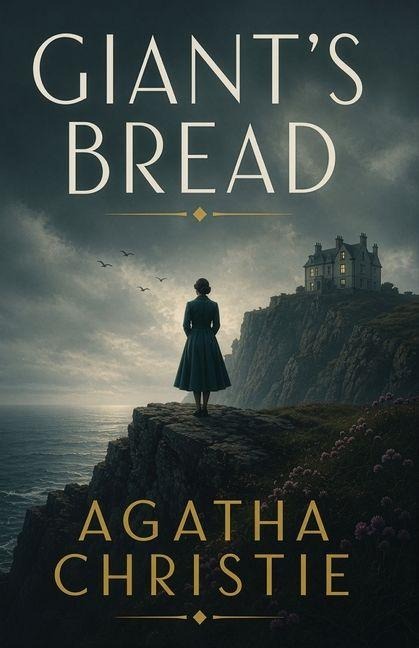
Vernon Deyre grows up in privilege, surrounded by expectations he does not entirely understand and possessed of a musical gift that gradually becomes the defining force of his life. Sensitive, imaginative, and increasingly consumed by composition, he discovers that artistic ambition can demand sacrifices not only from the artist but from everyone drawn into his orbit. His relationships with the people closest to him become inseparable from his development as a musician. Friendship, romantic attachment, family expectations, jealousy, and ambition repeatedly compete with the claims of his art. As Vernon searches for the music he believes he must create, the distance between the life he might have lived and the life required by his talent becomes increasingly difficult to ignore. The First World War transforms that struggle. Personal relationships are disrupted, identities altered, and assumptions about the future overturned. Memory itself becomes part of the novel's exploration of identity, raising questions about how much of a person survives when the connections between past and present are broken. Originally published in 1930 under Agatha Christie's pseudonym Mary Westmacott, Giant's Bread was the first of the six novels she published under that name. Far removed from the detective fiction for which Christie became famous, it is a psychological and romantic novel concerned with artistic creation, emotional dependence, ambition, and the sacrifices demanded by exceptional talent. Music lies at the center of the story, not simply as a profession but as an overwhelming creative necessity. Vernon's desire to compose shapes his relationships and forces difficult choices between affection, responsibility, security, and artistic fulfillment. Christie examines those conflicts without offering easy distinctions between selfishness and dedication or between personal happiness and creative achievement. For readers of psychological fiction, novels about artists, complicated relationships, and early twentieth-century social change, Giant's Bread reveals a very different side of Christie's writing: an ambitious study of love, identity, memory, and the price of giving one's life to art.