
Stöbern
genialokal zum Startbildschirm hinzufügen
Installieren Sie die genialokal App auf Ihrem Startbildschirm für einen schnellen Zugriff und eine komfortable Nutzung.
Installieren Sie die genialokal App auf Ihrem Startbildschirm für einen schnellen Zugriff und eine komfortable Nutzung.
Tippen Sie einfach auf Teilen:
 Und dann auf "Zum Home-Bildschirm [+]".
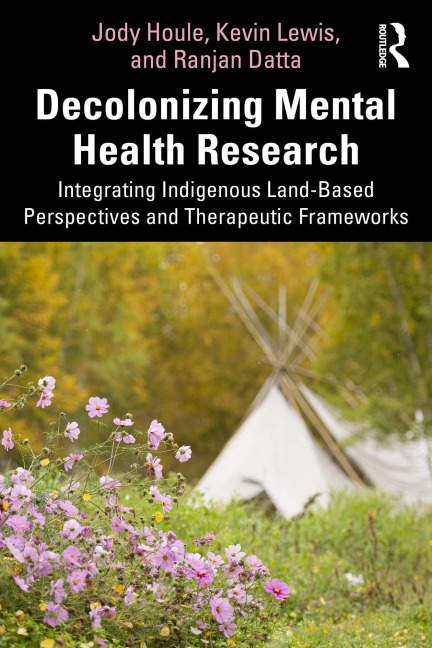
This book reimagines health research through Indigenous knowledge systems, specifically Cree First Nation land-based science. With contributions from a range of Indigenous, academic, and interdisciplinary experts, this book challenges dominant Western health paradigms by centering wâhkôhtowin-a Cree kinship system that acknowledges the interconnectedness of all beings, human and non-human-as a foundation for holistic health and healing. The authors introduce a tangible model for implementing Indigenous land-based knowledge and adapted Western therapies to foster resilience and cultural continuity, as well as offer wâhkôhtowin (kinship) as a theoretical, methodological, and conceptual guidepost for this book's journey. This book not only offers critiques of colonial health frameworks but also shares actionable strategies for restoring Indigenous health sovereignty and healing through community engagement, confrontations of intergenerational trauma, and other holistic Indigenous therapeutic modalities. It also incorporates discussion questions and reflection prompts for deeper engagement. Through storytelling, personal narratives, and Elder teachings, this book illustrates how Indigenous-led, land-based therapeutic practices can heal intergenerational trauma, center individual and relational well-being, and promote environmental sustainability. This is an indispensable resource for those committed to sustainable, culturally rooted health practices that benefit both Indigenous and broader communities. It is ideal for health researchers, educators, policymakers, practitioners, and graduate students seeking decolonized, community-centered approaches to health and well-being.
Jody M. Houle, PhD, is a Plains-Cree scholar from Goodfish Lake, and she completed her doctoral studies through the University nuhelot'ine thaiyots'i nistameyimâkanak Blue Quills program. Her research focuses on Indigenous mental health and social work, centering on community-based understandings and culturally grounded supports for wellness. Kevin wâsakâyâsiw Lewis, PhD, is a Plains-Cree educator and assistant professor at the University of Saskatchewan, hailing from Ministikwan Lake Cree Nation. He leads Indigenous-language revitalization and land-based Cree immersion programs. Ranjan Datta, PhD, is Canada Research Chair in Community Disaster Research and associate professor in Indigenous Studies at Mount Royal University. His interdisciplinary research bridges Indigenous land-based knowledge, climate justice, and community-led disaster adaptation in Canada, Bangladesh, Nepal, Ghana, and beyond.
1. The Trees are Still Dancing 2. Decolonizing Health from Traditional Therapies 3. wâhkôhtowin: Rethinking Health Research from Kinships Perspectives 4. Decolonizing Health Research from and within Personal Healing Journey 5. Land-based Ceremonies as Healing 6. Land as Health Self-determination: Translating Indigenous Ceremony into Mental Health Frameworks 7. Wapaniwiw Iskwew: Land Based Mental Health Healing Lodge Steps 8. sohkêyihtamowin: Cree Masculinity, Fatherhood, and Land-Based Wellness 9. Kinship Economies & Educational Sovereignty: Rebuilding Nations through Cree Teacher Education and Indigenomics 10. Conclusion: Reaffirming Cree Ways of Knowing and Being