Und dann auf "Zum Home-Bildschirm [+]".

Stöbern
genialokal zum Startbildschirm hinzufügen
Installieren Sie die genialokal App auf Ihrem Startbildschirm für einen schnellen Zugriff und eine komfortable Nutzung.
Installieren Sie die genialokal App auf Ihrem Startbildschirm für einen schnellen Zugriff und eine komfortable Nutzung.
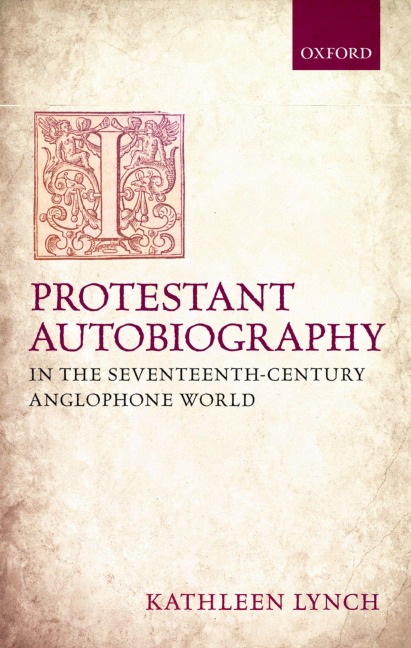
Autobiographical narrative is seldom viewed as a catalyst for the social and political upheavals of mid-seventeenth-century England and its colonies. Protestant Autobiography in the Seventeenth-Century Anglophone World argues that it should be. Focusing on the inward search for signs of election as a powerful stimulus for new, written forms of self-identification, this study directs critical attention toward the collective processes through which 'truthful' texts of spiritual experience were constructed, validated, and endorsed. This new analysis of the rhetoric of authentic selfhood emphasizes the ways in which personal accounts of religious awakening became another opportunity to conceptualize experience as an authorizing principle. A broad spectrum of Protestant life-writing is explored, from Augustine's Confessions, first translated into English in 1620, through John Bunyan's Grace Abounding to the Chief of Sinners (1666) and Richard Baxter's Reliquiae Baxterianae (1696). The forms in which these landmark texts were circulated and the interests that those circulations served are examined in such a way as to put canonical texts back into conversation with the outpouring of individual life writings that dates from the middle of the 17th century on. As the first new historicized account of the seventeenth-century Protestant conversion narrative in a generation, Protestant Autobiography in the Seventeenth-Century Anglophone World contributes to the reintegration of the scholarly fields of literature, religion, and politics. It revitalizes the study of proto-literary forms which, while devotional in nature, were deeply political in their consequences, contributing as they did to the emerging discourse of personal liberties.
Kathleen Lynch is Executive Director of the Folger Institute. She has written on the religious literature of the seventeenth century from the perspectives of material culture and the book trade.
- Acknowledgements - Abbreviations and conventions - List of illustrations - Introduction: No self is an island: The validations of autobiographical truths - 1: Any politic body: The polemics of conversion in the 1620s - 2: Icons basilicae: Civil war and religious identity - 3: 1653: Experiencing election in a true gospel-church state - 4: Writing religious identities in Bedford: Exemplary lives in historical perspective - 5: Beyond the lives of particular men - Conclusion: Truth and consequences - References - Index
Dieses eBook wird im PDF-Format geliefert und ist mit einem Adobe Kopierschutz (DRM) versehen. Sie können dieses eBook mit allen Geräten lesen, die das PDF-Format und den Adobe Kopierschutz (DRM) unterstützen.
Zum Beispiel mit den folgenden Geräten:
• tolino Reader
Laden Sie das eBook direkt über den Reader-Shop auf dem tolino herunter oder übertragen Sie das eBook auf Ihren tolino mit einer kostenlosen Software wie beispielsweise Adobe Digital Editions.
• Sony Reader & andere eBook Reader
Laden Sie das eBook direkt über den Reader-Shop herunter oder übertragen Sie das eBook mit der kostenlosen Software Sony READER FOR PC/Mac oder Adobe Digital Editions auf ein Standard-Lesegeräte mit epub- und Adobe DRM-Unterstützung.
• Tablets & Smartphones
Möchten Sie dieses eBook auf Ihrem Smartphone oder Tablet lesen, finden Sie hier unsere kostenlose Lese-App für iPhone/iPad und Android Smartphone/Tablets.
• PC & Mac
Lesen Sie das eBook direkt nach dem Herunterladen mit einer kostenlosen Lesesoftware, beispielsweise Adobe Digital Editions, Sony READER FOR PC/Mac oder direkt über Ihre eBook-Bibliothek in Ihrem Konto unter „Meine eBooks“ - „online lesen“.
Schalten Sie das eBook mit Ihrer persönlichen Adobe ID auf bis zu sechs Geräten gleichzeitig frei.
Bitte beachten Sie, dass die Kindle-Geräte das Format nicht unterstützen und dieses eBook somit nicht auf Kindle-Geräten lesbar ist.