Und dann auf "Zum Home-Bildschirm [+]".

Stöbern
genialokal zum Startbildschirm hinzufügen
Installieren Sie die genialokal App auf Ihrem Startbildschirm für einen schnellen Zugriff und eine komfortable Nutzung.
Installieren Sie die genialokal App auf Ihrem Startbildschirm für einen schnellen Zugriff und eine komfortable Nutzung.
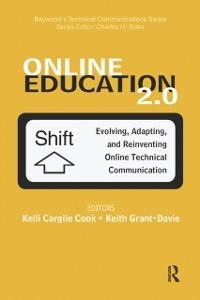
The collection asks how faculty, courses, and programmes have responded and adapted to changes in students' needs and abilities, to economic constraints, to new course management systems, and to Web 2.0 technologies such as social networking, virtual worlds, and mobile communication devices. Addressing these questions it includes contributing voices from a wide variety of post-secondary, from urban and rural institutions and from technological and career colleges.
Cargile Cook, Kelli; Grant-Davie, Keith
Introduction, SECTION I: EVOLVING PROGRAMS AND FACULTY, CHAPTER 1. What Do You Do When the Ground Beneath Your Feet Shifts?, CHAPTER 2. Theoretically Grounded, Practically Enacted, and Well Behind the Cutting Edge: Writing Course Development Within the Constraints of a Campus-Wide Course Management System, CHAPTER 3. Creativity and Consistency in Online Courses: Finding the Appropriate Balance, CHAPTER 4. Communities of Practice Approach: A New Model for Online Course Development and Sustainability, CHAPTER 5. Training Faculty for Online Instruction: Applying Technical Communication Theory to the Design of a Mentoring Program, SECTION II: ADAPTING TO CHANGING STUDENT NEEDS AND ABILITIES, CHAPTER 6. Teaching Technical Communication to a Global Online Student Audience, CHAPTER 7. Students in the Online Technical Communication Classroom: The Next Decade, CHAPTER 8. From Gamers to Grammarians: How Online Gaming is Changing the Nature of Digital Discourse in the Classroom, CHAPTER 9. Cybergogy, Second Life, and Online Technical Communication Instruction, CHAPTER 10. From Divide to Continuum: Rethinking Access in Online Education, SECTION III: REINVENTING COURSE, CHAPTER 11. Adapting Instructional Documents to an Online Course Environment, CHAPTER 12. Expanding the Scaffolding of the Online Undergraduate Technical Communication Course, CHAPTER 13. Innovation in the Distributed Technical Communication Classroom, CHAPTER 14. Library Services for Online Students, CHAPTER 15. "Keeping it Real": Contextualizing Intellectual Property and Privacy in the Online Technical Communication Course, Afterword, Contributors, Index
Dieses eBook wird im PDF-Format geliefert und ist mit einem Adobe Kopierschutz (DRM) versehen. Sie können dieses eBook mit allen Geräten lesen, die das PDF-Format und den Adobe Kopierschutz (DRM) unterstützen.
Zum Beispiel mit den folgenden Geräten:
• tolino Reader
Laden Sie das eBook direkt über den Reader-Shop auf dem tolino herunter oder übertragen Sie das eBook auf Ihren tolino mit einer kostenlosen Software wie beispielsweise Adobe Digital Editions.
• Sony Reader & andere eBook Reader
Laden Sie das eBook direkt über den Reader-Shop herunter oder übertragen Sie das eBook mit der kostenlosen Software Sony READER FOR PC/Mac oder Adobe Digital Editions auf ein Standard-Lesegeräte mit epub- und Adobe DRM-Unterstützung.
• Tablets & Smartphones
Möchten Sie dieses eBook auf Ihrem Smartphone oder Tablet lesen, finden Sie hier unsere kostenlose Lese-App für iPhone/iPad und Android Smartphone/Tablets.
• PC & Mac
Lesen Sie das eBook direkt nach dem Herunterladen mit einer kostenlosen Lesesoftware, beispielsweise Adobe Digital Editions, Sony READER FOR PC/Mac oder direkt über Ihre eBook-Bibliothek in Ihrem Konto unter „Meine eBooks“ - „online lesen“.
Schalten Sie das eBook mit Ihrer persönlichen Adobe ID auf bis zu sechs Geräten gleichzeitig frei.
Bitte beachten Sie, dass die Kindle-Geräte das Format nicht unterstützen und dieses eBook somit nicht auf Kindle-Geräten lesbar ist.