Und dann auf "Zum Home-Bildschirm [+]".

Stöbern
genialokal zum Startbildschirm hinzufügen
Installieren Sie die genialokal App auf Ihrem Startbildschirm für einen schnellen Zugriff und eine komfortable Nutzung.
Installieren Sie die genialokal App auf Ihrem Startbildschirm für einen schnellen Zugriff und eine komfortable Nutzung.
Ihr gewünschter Artikel ist in 0 Buchhandlungen vorrätig - wählen Sie hier eine Buchhandlung in Ihrer Nähe aus:
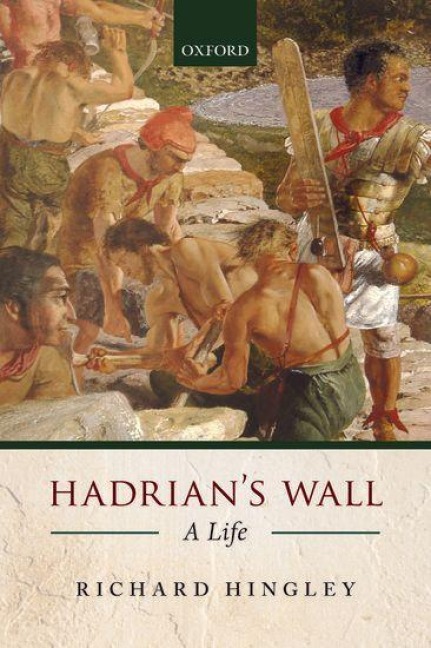
In Hadrian's Wall: A Life, Richard Hingley addresses the post-Roman history of this world-famous ancient monument. Constructed on the orders of the emperor Hadrian during the 120s AD, the Wall was maintained for almost three centuries before ceasing to operate as a Roman frontier during the fifth century. The scale and complexity of Hadrian's Wall makes it one of the most important ancient monuments in the British Isles. It is the most well-preserved of the frontier works that once defined the Roman Empire. While the Wall is famous as a Roman construct, its monumental physical structure did not suddenly cease to exist in the fifth century. This volume explores the after-life of Hadrian's Wall and considers the ways it has been imagined, represented, and researched from the sixth century to the internet. The sixteen chapters, illustrated with over 100 images, show the changing manner in which the Wall has been conceived and the significant role it has played in imagining the identity of the English, including its appropriation as symbolic boundary between England and Scotland. Hingley discusses the transforming political, cultural, and religious significance of the Wall during this entire period and addresses the ways in which scholars and artists have been inspired by the monument over the years.
Richard Hingley is Professor of Roman Archaeology at the University of Durham. He is author of a number of books that address the Roman Empire and Roman Britain, including works on the character of the Roman Empire and the significance of Roman models in modern society. He is Director of the Centre for Roman Culture at Durham University and was in charge of the 'Tales of the Frontier' project, a major initiative from which this book is derived.
- Preface - Introduction - 1: A Living Wall - 2: Hadrian's Wall - Part One: Picts' Wall - 3: Heavenfield: Christian Inspirations - 4: Lanercost Priory: The Wall and the English Border - 5: Ellenborough (Maryport): Recognizing Roman Civility in the border landscape - Part Two: the Roman Wall - 6: Castlesteads: Reviving Interest in the Wall - 7: Newcastle and Carlisle: Reconstructing the Roman Wall - 8: The Mithraeum at Borcovicium (Housesteads): Reasons to be Cheerful? - 9: Wallington Hall: Native Troops on the Wall - 10: The Clayton Wall: 'A New Era of Antiquarian Research' - Part Three: Hadrian's Wall - 11: The Roman Gate at Hunnum (Halton Chesters): Ethnographic Time - 12: Birdoswald: Scientific Archaeology - 13: Whin Sill: Defending Ancient Springs - 14: The Gateway at South Shields: the Romanization of Tyneside - 15: The Hadrian's Wall Path National Trail: the Inclusive Monument - 16: Conclusions: The Archaeological Imagination - Appendix 1: Published accounts of the Wall - Table 1: Hadrian's Wall: A timeline - Bibliography - Index