Stöbern
genialokal zum Startbildschirm hinzufügen
Installieren Sie die genialokal App auf Ihrem Startbildschirm für einen schnellen Zugriff und eine komfortable Nutzung.
Installieren Sie die genialokal App auf Ihrem Startbildschirm für einen schnellen Zugriff und eine komfortable Nutzung.
Tippen Sie einfach auf Teilen:
 Und dann auf "Zum Home-Bildschirm [+]".
Ihr gewünschter Artikel ist in 0 Buchhandlungen vorrätig - wählen Sie hier eine Buchhandlung in Ihrer Nähe aus:
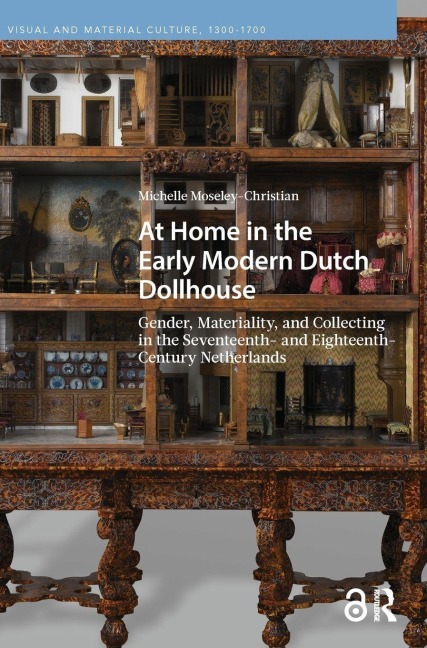
Dollhouses were a notable outlet for women in the Netherlands as collectors during the seventeenth and eighteenth centuries. This book explores the material culture of the dollhouses as displays, shedding light on new concepts of domesticity, the reception of household goods, and the agency of female collectors. Seven extant Early Modern Dutch pronk (luxury) dollhouses provide material evidence of how these cabinets elevated the domestic world as a subject in the Netherlandish visual arts. The dollhouse as a format for these collections goes beyond didactic meanings to incorporate haptic performance, games, displays of commodities, and global goods that reflect the home as a site of knowledge production and commerce, emphasizing the role of women in assembling goods for the home. Close analysis of dollhouses in cultural and theoretical contexts situate the women who assembled them within broader histories of collecting. At Home in the Early Modern Dutch Dollhouse is a research project primarily aimed at scholarly audiences in humanities fields including art history and material culture, architectural studies, the history of interiors, and studies of domesticity, but it is intended to be accessible to a wide range of interested general readers.
Michelle Moseley-Christian is Associate Professor of Art History at Virginia Tech. A researcher of Netherlandish and Northern European art and material culture, 1400-1750, she has published in Renaissance Quarterly and The Sixteenth Century Journal: The Journal of Early Modern Studies, and co-edited the volume Gender and Otherness in Medieval and Early Modern Art.
Introduction: At Home in the Early Modern Dutch Dollhouse 1. Dollhouses and the Female Collector in the Early Modern Netherlands 2. Managing the Early Modern Dutch Household: Dollhouse as Didactic Text 3. Embodying Domesticity: Reconstructing Dollhouse Display in Practice and Theory 4. Gender, Materiality and Excess: Collecting or Consumption in the Early Modern Dutch Dollhouse 5. East Asia Design in the Dollhouse: The World Within Reach. Conclusion