Stöbern
genialokal zum Startbildschirm hinzufügen
Installieren Sie die genialokal App auf Ihrem Startbildschirm für einen schnellen Zugriff und eine komfortable Nutzung.
Installieren Sie die genialokal App auf Ihrem Startbildschirm für einen schnellen Zugriff und eine komfortable Nutzung.
Tippen Sie einfach auf Teilen:
 Und dann auf "Zum Home-Bildschirm [+]".
Ihr gewünschter Artikel ist in 0 Buchhandlungen vorrätig - wählen Sie hier eine Buchhandlung in Ihrer Nähe aus:
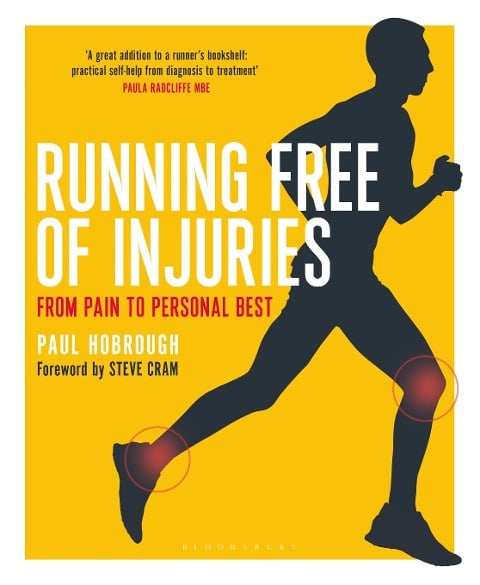
Runners suffer one of the highest injury rates in recreational athletics. This book takes the novice and elite level runner alike through a step-by-step process of avoiding and managing injury from starting line to finish line. Covering running injuries around the body from foot to hip, the book focuses on three key aspects: staying on track and injury-free; early detection; and how to rehabilitate from an injury. With the knowledge that prevention is better than cure, the book focuses on helping runners to understand their body, identify weakness, and develop a natural defense against injury. Each of these stages includes key training sessions to add into the reader's existing program, relevant for all running abilities. This accessible manual provides the reader with the ultimate "pain to personal best (PB) guide." For every common running injury, there is a comprehensive self-help guide, combined with advice on how to choose the best health care practitioner for their injury, as well as what to expect during treatment and prognosis for recovery. In each section there is also a case study of a runner or athlete on their journey through the injury, providing an insight into the psychological rollercoaster runners experience on their journey from treatment to track. With a foreword by Steve Cram. Voted one of the top 12 books on running by The 2017 Running Awards.
Paul Hobrough is a chartered physiotherapist, sports scientist and Clinical Director of Physio&Therapy UK. A Team GB athlete for 16 years, Paul writes for Runner's World magazine and is recognised as a leading authority on injury prevention. His physiotherapy practice is based in Northumberland, England.
Foreword by Steve Cram Introduction 1 The Foot 2 The Ankle 3 The Lower Leg 4 The Knee 5 The Hip and Pelvis Appendix 1: Rehabilitation Exercises Appendix 2: Warm-up and Cool Down Training plans Final Comments Bibliography Index